
The allure of risk in gaming
The psychology behind gambling is deeply intertwined with the allure of risk. For many, the thrill of taking chances activates the brain’s reward center, releasing dopamine and creating feelings of excitement and pleasure. This biochemical reaction attracts players to casino games, where they often find themselves exploring betting sites in high-stakes environments. The anticipation of winning can be intoxicating, leading to repeated engagement with games despite the inherent risk of loss. This cycle of risk and reward is a fundamental driver of gambling behavior.
Moreover, the atmosphere of a casino enhances this allure. The sights, sounds, and even the scents are designed to elevate emotions and encourage risk-taking behavior. Players are bombarded with colorful lights and energetic music, all aimed at creating a sense of urgency and excitement. This sensory overload can make it easy for individuals to forget about the financial risks they are taking, focusing instead on the potential for immediate gratification that comes with a big win. Such an environment plays a crucial role in amplifying the excitement that fuels the gambling experience.
Another factor that plays a crucial role in the psychology of risk is the concept of loss aversion. Studies show that people tend to feel the pain of losses more intensively than they experience pleasure from gains. This can lead to a cycle where a player continues to gamble in an attempt to recover losses, often increasing their risk exposure. The idea of an impending win keeps players at the table or machine, even when the odds are stacked against them, showcasing how powerful psychological factors can override rational thinking. The interplay of these elements illustrates why individuals may find it challenging to walk away from a game, even when they know they should.
The impact of cognitive biases
Cognitive biases significantly influence how players perceive risk in casino games. One prevalent bias is the illusion of control, where individuals believe they can influence the outcome of random events through their actions. For instance, a player may think that using a specific strategy or playing during particular hours increases their chances of winning. This cognitive distortion can lead to overconfidence, causing players to take more risks than they would typically consider. Players may believe that their choices matter more than they actually do, which can lead to greater financial exposure.
Another common bias is the gambler’s fallacy, where individuals mistakenly believe that past events affect future outcomes in random games. A player might think that if a particular slot machine hasn’t paid out in a while, it is “due” for a win, leading them to increase their bets in anticipation. This misunderstanding of probability fuels risk-taking as players become convinced that their betting patterns can manipulate the odds in their favor. Such biases can create a dangerous mindset that perpetuates gambling behavior and increases the likelihood of making poor financial decisions.

These cognitive biases can escalate risk behaviors at the tables or machines, particularly when reinforced by a string of minor wins. Short-term successes can foster an inflated sense of security and lead players to gamble larger sums or take more significant chances. The intertwining of cognitive biases with emotional factors creates a potent mix that compels individuals to engage in risky behaviors in casinos. Understanding these biases is essential for players to recognize when they might be falling into these traps and to approach gambling more critically.
The role of social influences in gambling
Social dynamics also play a critical role in the psychology of risk in casino games. People are influenced by their friends and peers, often feeling pressure to conform to certain behaviors while at a casino. This need for social acceptance can lead individuals to gamble more than they originally planned, as they seek to replicate the actions of those around them or to impress their companions. This communal aspect can amplify risk-taking behavior, especially in environments where the excitement is palpable. The social aspect of gambling can create an echo chamber where risk-taking is normalized and even encouraged.
Moreover, social interactions can lead to shared experiences that enhance the enjoyment of gambling, but they can also introduce collective risk-taking. When in groups, people may be encouraged to make decisions that they would typically avoid if alone, such as entering high-stakes games or betting larger amounts. This phenomenon is known as social facilitation, and it can significantly blur the lines of individual responsibility for one’s gambling choices. The presence of friends can lead to a false sense of security, making high-risk behaviors seem more acceptable.
The communal atmosphere of casinos and the influence of social circles can create a sense of invulnerability, leading players to underestimate the potential consequences of their actions. Friends celebrating a win together can obscure the reality of loss, contributing to a cycle of risk that is difficult to break free from. These social elements highlight the necessity of awareness and mindfulness when engaging in gambling activities to mitigate potential negative outcomes. Understanding how social influences affect decision-making can empower individuals to make more informed choices about their gambling behaviors.
The fine line between entertainment and addiction
While gambling can be a form of entertainment, the psychology of risk can lead some individuals toward problematic behaviors. The thrill of risk can quickly transition from a casual pastime to a compulsive habit. Understanding this transition is essential, as it allows players to recognize when their habits may be shifting toward addiction. The excitement felt in the initial phases of gambling can mask warning signs, creating a gap between enjoyment and harmful behavior. Awareness of this slippery slope is vital for promoting responsible gambling practices.
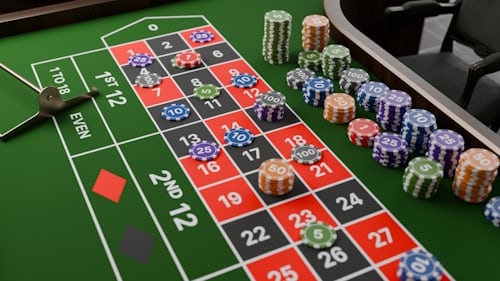
Many gamblers struggle with impulse control, making it challenging to set limits on their spending or time in the casino environment. The desire to win can overshadow logical decision-making, prompting some individuals to chase losses. This behavior can spiral into a cycle where the player feels trapped, continuing to gamble in hopes of recouping lost money, often leading to greater financial strain and emotional distress. Recognizing the signs of addiction is crucial for individuals to seek help before the situation escalates.
Educational initiatives that promote responsible gambling emphasize the importance of understanding personal limits and recognizing the signs of addiction. Creating a healthy balance between enjoyment and risk is crucial for preventing adverse consequences. By focusing on self-awareness and personal responsibility, individuals can navigate the world of casino games while minimizing the potential risks associated with their behavior. Resources are available to help players establish boundaries and seek support if needed, fostering a safer gambling environment.
Website information and resources
For individuals interested in exploring the concepts discussed in this article further, various resources are available that delve deeper into the psychology of gambling and provide insights into responsible gaming practices. Websites dedicated to gambling education often feature articles, expert opinions, and tools designed to help players understand their behavior and the effects of risk-taking. Engaging with these resources can provide valuable knowledge that empowers individuals to make informed choices, ensuring that gambling remains a fun activity rather than a source of stress or financial hardship.
These platforms often include sections on self-assessment, tips for managing gambling habits, and recommendations for seeking help if needed. By utilizing these resources, players can gain a clearer understanding of their behaviors and the social and psychological factors influencing their gambling experiences. This knowledge is essential for fostering a balanced approach to gaming, promoting enjoyment while mitigating risks.
Ultimately, understanding the psychology of risk in casino games is vital for fostering a healthy relationship with gambling. By being aware of the emotional, cognitive, and social factors at play, individuals can enjoy gaming experiences while safeguarding themselves against the potential pitfalls that come with excessive risk-taking. Awareness and education are key components in creating a responsible gambling culture that prioritizes well-being and informed decision-making.