
Introduction
Choosing the right nursing course can be one of the most defining decisions in a healthcare career. In India, the three most popular nursing programs — ANM (Auxiliary Nursing Midwifery), GNM (General Nursing and Midwifery), and BSc Nursing (Bachelor of Science in Nursing) — each offer unique pathways, responsibilities, and career outcomes.
While all three prepare students to work in the healthcare sector, their course duration, depth of study, eligibility, and professional scope differ significantly. This blog provides an in-depth comparison of ANM, GNM, and BSc Nursing to help aspiring nurses choose the path that aligns with their goals, interests, and long-term vision.
1. Understanding the Nursing Hierarchy in India
Nursing in India is categorized into different levels of qualification and expertise, allowing students from various educational backgrounds to enter the profession.
-
ANM – The foundational course focused on basic nursing and maternal healthcare.
-
GNM – An intermediate course emphasizing general nursing, hospital care, and community health.
-
BSc Nursing – An advanced professional degree focused on leadership, research, and clinical specialization.
Each level builds on the previous one, offering opportunities for further study and professional growth.
2. What is ANM (Auxiliary Nurse Midwifery)?
ANM is the entry-level nursing course designed for students who wish to begin a career in healthcare quickly and serve at the grassroots level.
Key Highlights:
-
Full Form: Auxiliary Nurse Midwifery
-
Duration: 2 years (1½ years academic + 6 months internship)
-
Eligibility:
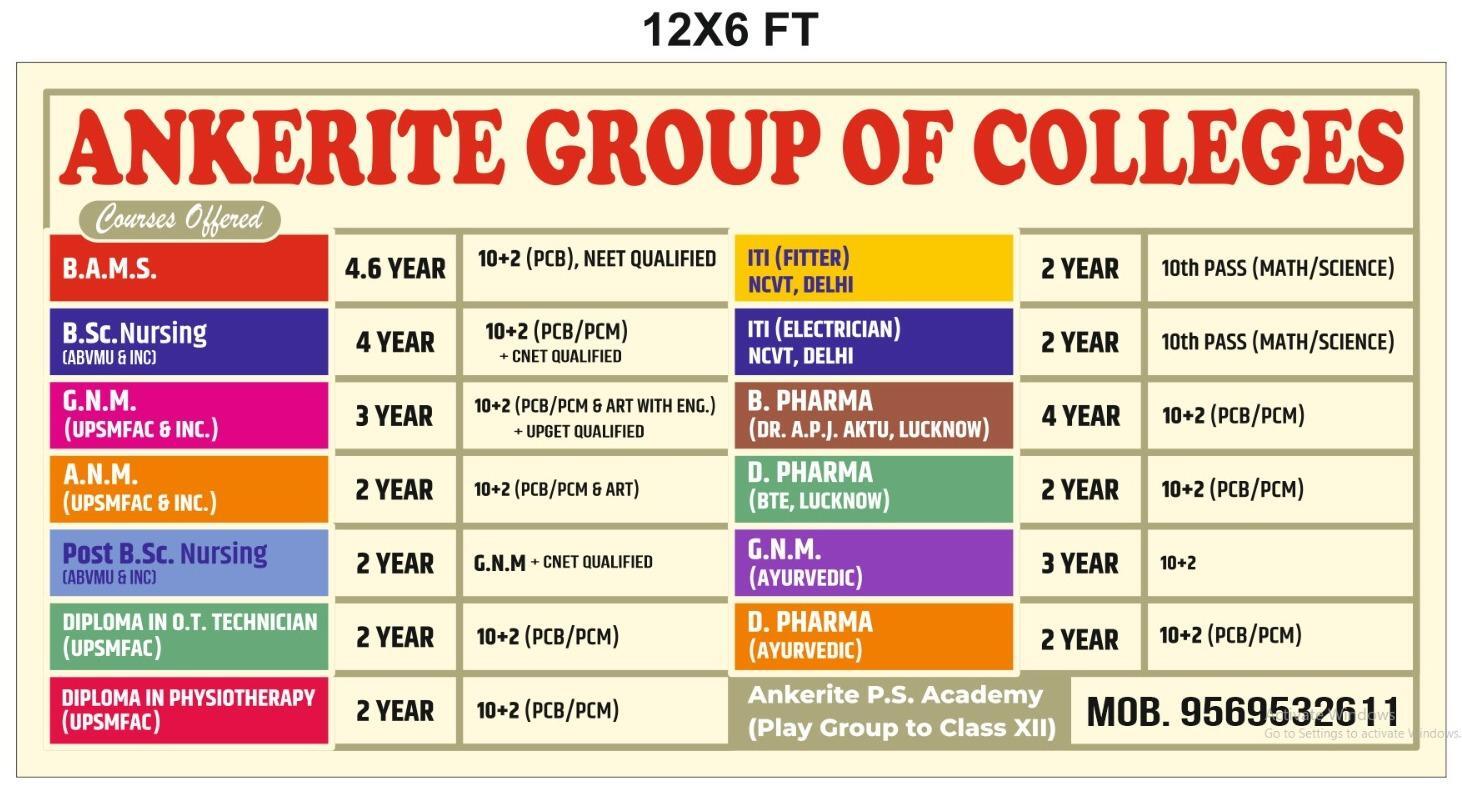
-
Age Limit: 17–35 years (varies by state)
-
Approving Body: Indian Nursing Council (INC)
Course Overview:
ANM training focuses on maternal and child health, first aid, community healthcare, and basic nursing procedures. It prepares nurses to assist doctors in rural and semi-urban healthcare centers.
Major Subjects Covered:
-
Community Health Nursing
-
Health Promotion
-
Child Health Nursing
-
Midwifery and Obstetric Nursing
-
Primary Health Care and First Aid
Career Options After ANM:
-
Rural Health Worker
-
Basic Health Nurse in Primary Health Centers (PHC)
-
Maternity Assistant
-
Home Nurse / Community Health Aide
-
Opportunities in NGOs, Anganwadi Programs, and Family Welfare Centers
ANM is ideal for students who wish to work closely with communities, especially in maternal and child health programs.
3. What is GNM (General Nursing and Midwifery)?
GNM is a diploma-level course offering more extensive training than ANM. It focuses on general nursing, patient care, and clinical practice in hospitals and community settings.
Key Highlights:
-
Full Form: General Nursing and Midwifery
-
Duration: 3 years (2½ years academic + 6 months internship)
-
Eligibility:
-
Age Limit: 17–35 years
-
Approving Body: Indian Nursing Council (INC)
Course Overview:
GNM prepares nurses for hospital-based and community healthcare roles. It covers both theoretical and practical training in general medicine, nursing management, and midwifery.
Major Subjects Covered:
-
Anatomy & Physiology
-
Medical-Surgical Nursing
-
Mental Health & Psychiatric Nursing
-
Pediatric Nursing
-
Midwifery and Gynecology
-
Community Health Nursing
Career Options After GNM:
-
Staff Nurse in Government or Private Hospitals
-
Clinical Nurse Specialist
-
Industrial Nurse / Military Nurse
-
Health Educator or Ward Supervisor
-
Further Study: BSc Nursing (Post Basic) or specialized certifications
GNM nurses are highly employable in both public and private healthcare institutions, making it a strong step between ANM and BSc Nursing.
4. What is BSc Nursing (Bachelor of Science in Nursing)?
BSc Nursing is a professional undergraduate degree program that provides a comprehensive understanding of nursing science, research, and clinical leadership.
Key Highlights:
-
Full Form: Bachelor of Science in Nursing
-
Duration: 4 years (including internship)
-
Eligibility: 10+2 pass with Science (Physics, Chemistry, Biology, and English)
-
Minimum Marks: 45–50%
-
Approving Body: Indian Nursing Council (INC), State Nursing Councils
Course Overview:
BSc Nursing goes beyond clinical practice — it develops professionals capable of handling complex healthcare systems, leading teams, and engaging in healthcare research.
Major Subjects Covered:
-
Anatomy, Physiology, Biochemistry
-
Nursing Foundation
-
Pharmacology, Pathology & Microbiology
-
Medical-Surgical, Pediatric, and Psychiatric Nursing
-
Community Health & Midwifery
-
Nursing Research & Statistics
-
Management of Nursing Services and Education
Career Options After BSc Nursing:
-
Registered Nurse / Nursing Officer
-
Nursing Tutor / Clinical Instructor
-
Nursing Superintendent / Hospital Administrator
-
Research Nurse or Public Health Specialist
-
Higher Studies: MSc Nursing, MBA in Hospital Management, MPH (Public Health), or PhD in Nursing
BSc Nursing graduates can work in hospitals, research centers, universities, or international healthcare organizations.
5. Major Differences Between ANM, GNM, and BSc Nursing
| Parameter | ANM | GNM | BSc Nursing |
|---|---|---|---|
| Full Form | Auxiliary Nurse Midwifery | General Nursing & Midwifery | Bachelor of Science in Nursing |
| Level | Certificate / Diploma | Diploma | Undergraduate Degree |
| Duration | 2 years | 3 years | 4 years |
| Eligibility | 10+2 (any stream) | 10+2 (Science – PCB) | 10+2 (Science – PCB) |
| Focus Area | Basic health, maternity, and child care | Clinical nursing and midwifery | Advanced nursing, leadership, research |
| Work Setup | Rural/Community health | Hospitals & Clinics | Hospitals, Universities, Research |
| Job Role | Health worker / Midwife | Staff Nurse / Clinical Nurse | Nurse Officer / Educator / Administrator |
| Average Starting Salary | ₹15,000 – ₹25,000/month | ₹20,000 – ₹35,000/month | ₹30,000 – ₹60,000/month |
| Career Growth | Limited to community level | Moderate – can pursue Post Basic BSc | High – Global job opportunities |
6. Which Nursing Course is Right for You?
Choosing between ANM, GNM, and BSc Nursing depends on your career goals, educational background, and financial planning.
Choose ANM if:
-
You want a short-term, job-oriented course.
-
You are passionate about community health and maternal care.
-
You prefer to start working early, especially in rural healthcare.
Choose GNM if:
-
You want practical nursing experience in hospitals.
-
You are considering pursuing BSc (Post Basic) later for advancement.
-
You want flexibility to work in both public and private sectors.
Choose BSc Nursing if:
-
You aim for a professional nursing career with leadership potential.
-
You are interested in research, education, or international opportunities.
-
You are ready for a long-term academic and clinical commitment.
7. Scope and Job Opportunities in India and Abroad
The demand for trained nurses has surged globally. After the COVID-19 pandemic, healthcare systems worldwide recognized the critical role of nurses, creating opportunities in India and countries like the UK, UAE, Canada, and Australia.
After ANM:
-
Government rural health missions
-
NGOs and maternity centers
-
Home-based healthcare services
After GNM:
-
Multi-specialty hospitals and private nursing homes
-
Defense, industrial, or educational institutions
-
Pathway to international nursing with experience
After BSc Nursing:
-
Clinical and research positions abroad
-
Nurse educator or management roles
-
Advanced studies leading to specialized careers
8. Salary and Career Growth Comparison
The salary of a nurse depends on qualification, experience, and location.
| Qualification | Entry-Level Salary (India) | Experienced Salary (India) | Abroad (Approx.) |
|---|---|---|---|
| ANM | ₹15,000 – ₹25,000 | ₹30,000 – ₹35,000 | $1,500 – $2,000/month |
| GNM | ₹20,000 – ₹35,000 | ₹40,000 – ₹60,000 | $2,000 – $3,500/month |
| BSc Nursing | ₹30,000 – ₹60,000 | ₹70,000 – ₹1,00,000+ | $3,000 – $5,000/month |
With continuous learning and certifications, nurses can progress to administrative, educational, or international roles with significantly higher pay scales.
9. Future Trends in Nursing Education
The future of nursing is evolving rapidly with technology and global healthcare reforms.
Emerging trends include:
-
Telemedicine and Digital Nursing: Nurses trained in technology-enabled patient care.
-
Holistic and Preventive Healthcare: Focus on wellness rather than treatment.
-
Global Mobility: More nurses are migrating for better pay and conditions.
-
Research and Specialization: Increased demand for nurse researchers and educators.
Students choosing GNM or BSc Nursing today are entering one of the fastest-growing career sectors in the world.
Conclusion
Each nursing course — ANM, GNM, and BSc Nursing — serves a distinct purpose within the healthcare ecosystem.
-
ANM builds the foundation for community and primary care.
-
GNM bridges practical hospital experience with broad patient care.
-
BSc Nursing shapes leaders and innovators in healthcare.
Ultimately, the right choice depends on your career ambition, academic strength, and personal calling toward nursing. Regardless of the path chosen, nursing remains one of the most respectable, compassionate, and globally rewarding professions — where every act of care makes a difference.